Just over six years ago, I moved to Leeds from Bristol, fresh-faced, wide-eyed, and fully convinced I was only taking a short three-month break from my life down south. At the time, I had very little knowledge of FMCG and came from a completely different background, working in an internal graphics department within a sales office producing materials for conferences and exhibitions. If you’ve ever worked in sales, you’ll know the vibe.
That “short break” didn’t stay short for long.
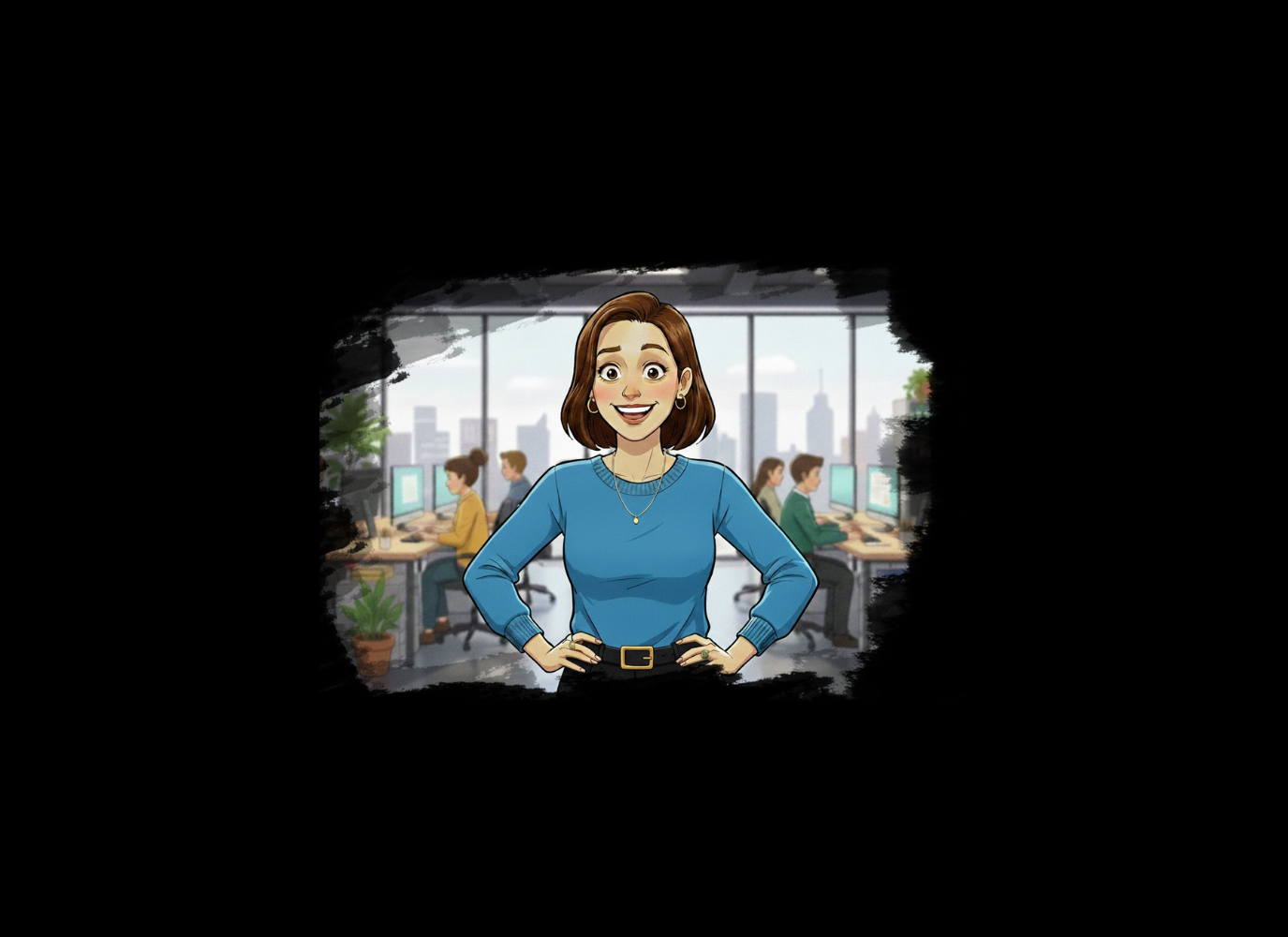
Within my first month in Leeds, I interviewed at Golley Slater and instantly felt at home. The team welcomed me with open arms, and what felt like one door closing quickly turned into a much bigger (and far more exciting) one opening. I couldn’t wait to get stuck in.
I joined Golleys as a midweight designer, despite having almost no FMCG experience, and I vividly remember working with major clients while quietly wondering if they’d hired the wrong person. Cue imposter syndrome. Hard.
At one particularly low point, I took my phone into the toilet to secretly Google how to do something ridiculously basic in InDesign. My job anxiety had peaked, and my brain had apparently decided to delete everything I’d learned over the previous five years. A low moment… but also quite funny in hindsight.
Thankfully, my manager believed in me far more than I believed in myself. With time, encouragement, and fewer panic-stricken bathroom Googles, the imposter syndrome eased. My confidence grew, and a few years later I progressed into a senior studio role. Moral of the story? Don’t underestimate yourself , just maybe doubt your Wi-Fi when you’re panic-Googling in a cubicle.
Once I felt more settled, I started exploring the more creative side of the studio. I supported creative pitches behind the scenes at first: building presentation decks, helping with POS rollouts for campaign proposals, and gradually contributing written lines. This was where I really found my footing; and where my creative journey properly began. Pitches, campaigns, new business, concept development, key visuals, rationale writing, early creative scamps… this was exactly where I wanted to be.
So how do you transition from graphic design into creative? The process itself is fairly simple (if not always easy): start small, work alongside experienced creatives, and learn as much as you can. I began by supporting others – developing key visuals and helping bring ideas to life – before gradually taking on both concept and execution.
My biggest challenge was scamping. Working alongside creatives with years more experience than me, I doubted myself constantly. Every brief that mentioned scamping came with a familiar wave of anxiety. At home, my partner endured the full soundtrack of my despair: dramatic sighs, defeated muttering, and the occasional declaration that I was simply not built for this level of artistic pressure.

But with practice came confidence. I wasn’t as fast or as polished, and my style was still developing, but the work was landing, clients were happy, and that counted for a lot.
With this experience under my belt, I hoped my creative journey would continue towards Art Direction. Instead, life intervened and I took time away after having a baby.
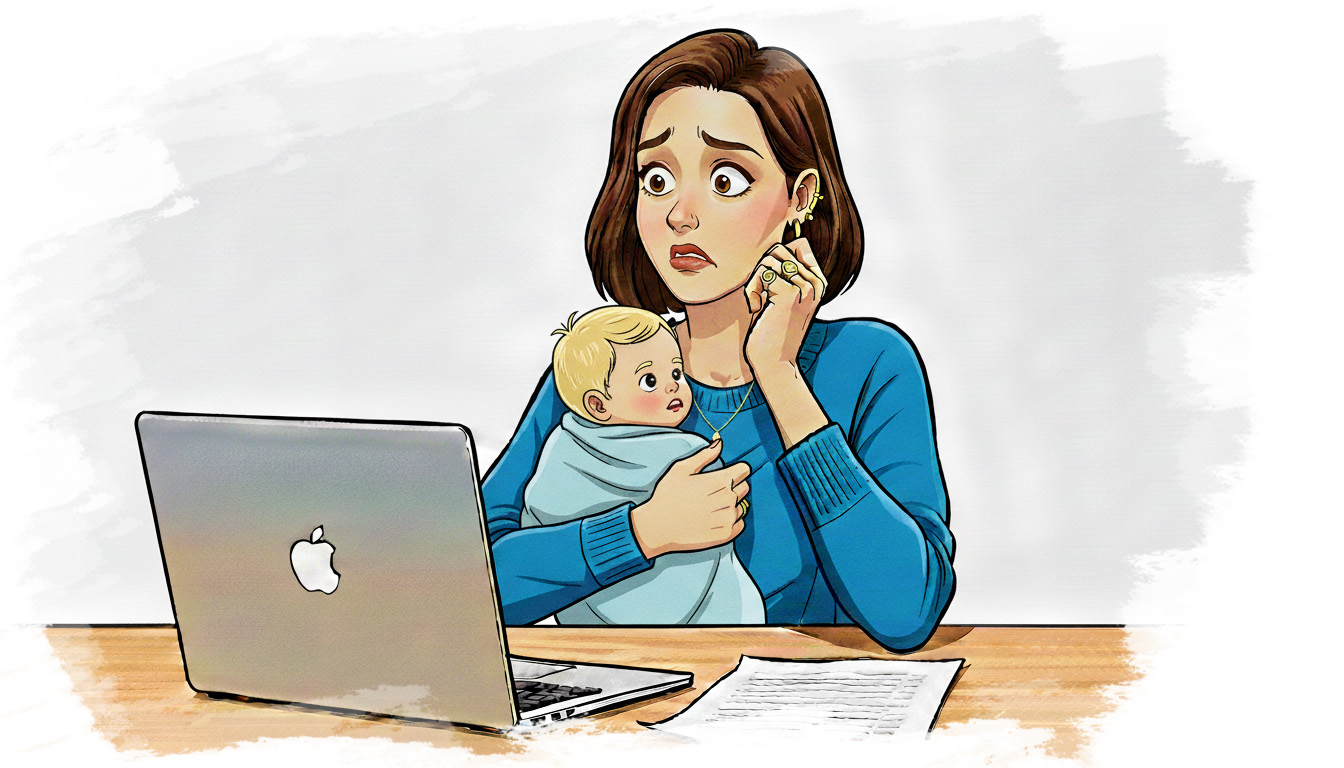
When I returned to work, the imposter syndrome made a comeback. After a year away, the most creative thing I’d done was squeezing paint into a zip-lock bag and desperately hoping my extremely unimpressed baby would engage in a sensory activity I’d seen online. (Spoiler: he was not interested.)
I questioned whether I was in over my head returning to a creative role and worried I’d forgotten everything I’d worked so hard to learn. But once I was back at work and retraining my creative brain, it all came back surprisingly quickly. Apparently, baby brain and creative brain live on opposite sides.