Twenty-somethings have decided they’re going analogue (kind of), and it’s about to quietly reshape how they spend a portion of their disposable earnings in 2026. And as a twentysomething myself, I’m fascinated by the way my peers and I are directing our money, consciously stepping back from some of the social pressures we were raised to accept as inevitable.
The rejection of social pressure and pretence, alongside the slow death of FOMO, has given way to something else entirely: FOBI (fear of being included). Being out isn’t the thing anymore and our twentysomethings are usually somewhere between declining an invite and deleting socials for hiatus, allowing analogue to creep back in.
So, what does this translate to? Moments that don’t auto-upload. Devices that work offline. Creativity with no expectation of performance. It’s like being a kid in the 90s, except everyone’s got a 9–5 and adult money. And that adult money is starting to follow the feeling.
But this isn’t just a nostalgia spiral, it’s part of something bigger. People are actively trying to feel better: according to YouGov, 81% of UK adults say they actively try to take care of themselves emotionally (source). For twentysomethings, that increasingly means less time on devices and more time doing something that doesn’t live on a screen. In fact, some younger consumers are even switching to nostalgic Nokia “Dumbphones” to move away from doomscrolling and using their phone to simply communicate.
No one’s rejecting technology entirely. They’re just rewinding slightly… To 2016 – apparently the last time things felt imperfect in a way that was still allowed, and before creativity had metrics or a super important like count. Before image and status felt like full-time jobs. In 2016, being cringe meant you cared. Now, caring feels radical again.
What does this mean for shopper spending habits?
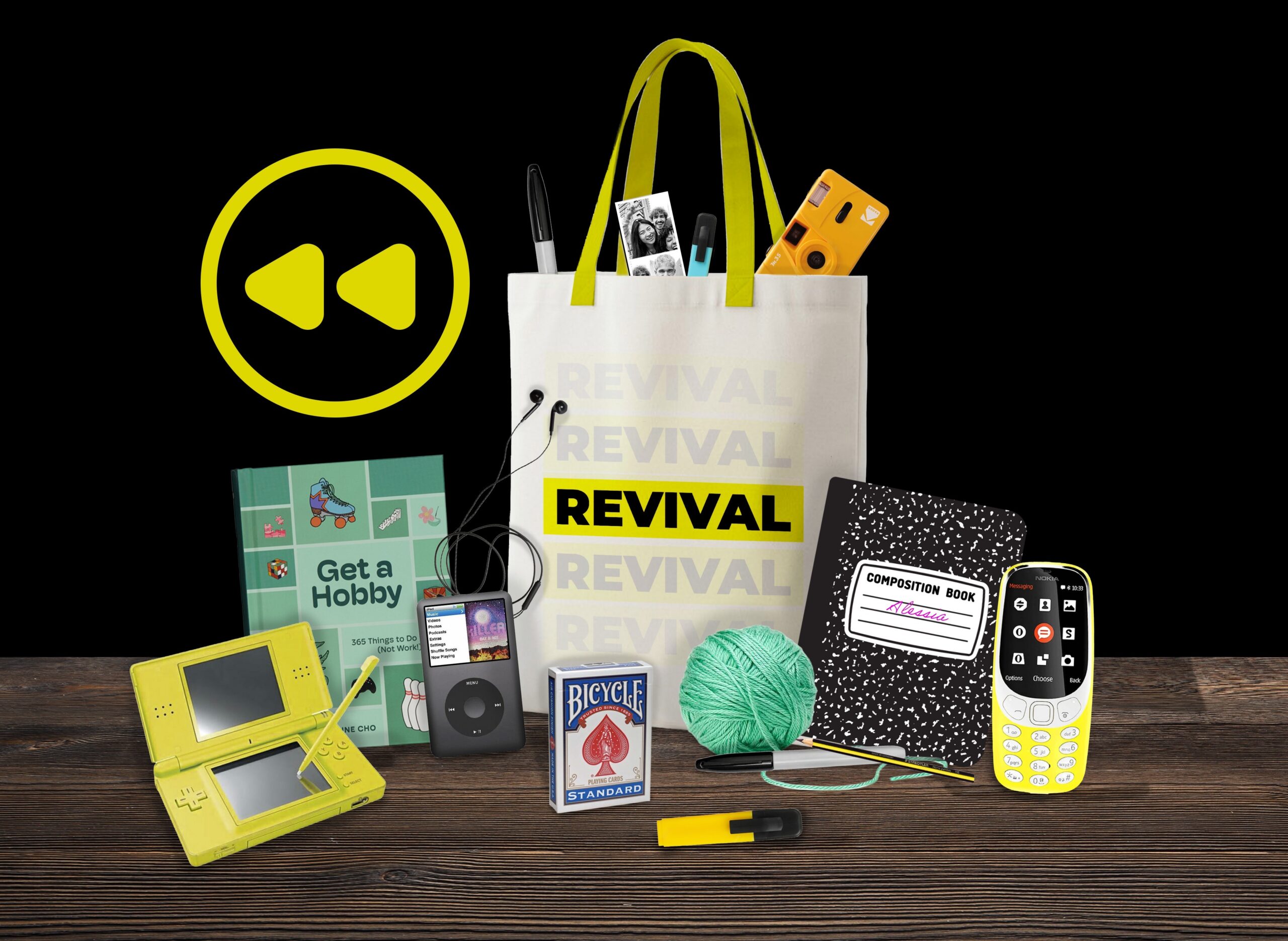
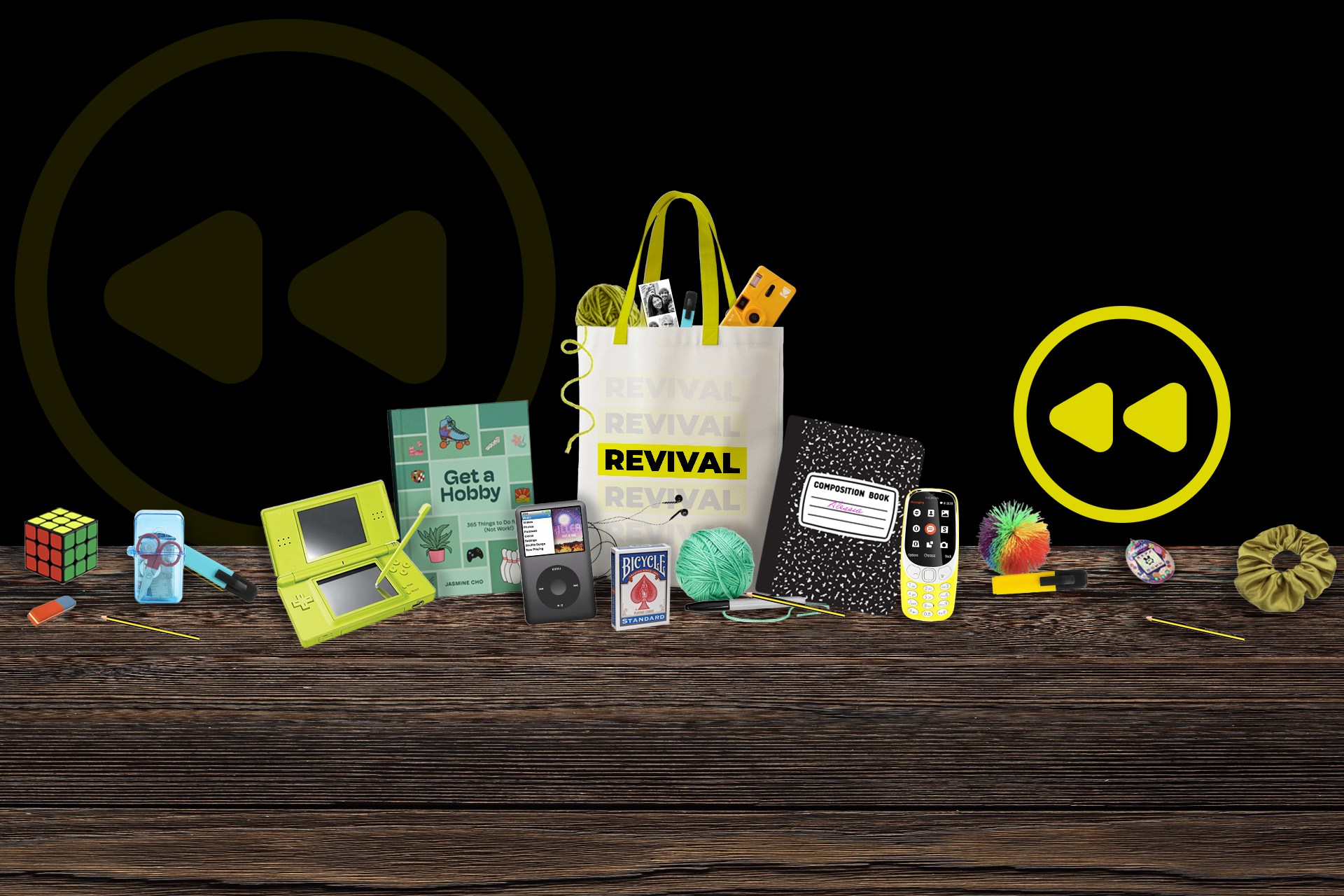
This movement has caused an uptick in a few very specific categories for consumers, which reflects how our twentysomethings are spending their adult money. Here’s a glimpse at what the analogue tote bag of today’s vicenarians looks like.
Snaps on film
While digital cameras caused a decline in demand for film photography, it seems we’ve come full circle as twentysomethings opt for capturing the present moment on film. Whether it’s to keep digital devices away from moments or to capture a moment with the feeling of nostalgia, the trend has caused some major changes for the sector as Eastman Kodak has resumed direct sales of consumer photographic film for the first time in over a decade (source).
Not only that, but the iconic photography brand has also responded to the resurgence in film as well as the current obsession with blind boxes, launching their Kodak Charmera. This is a new blind-box model concealing which of several retro designs buyers will receive: a mini film camera attached to a keyring. This turns a simple film camera into a surprise-driven, collectible experience, which of course went viral.
The personalised journal
A personalised journal, diary or notebooks in general are pivotal in the analogue tote – which means stickers, craft tape, fun and functional stationary, etc. Journaling is part of investing in selfcare, either by organising your routine or being able to process thoughts and feelings. But in the name of ‘embracing our whimsy’ journals and diaries have become an extension of self-expression. In fact, this new self-care practice prompted search interest for terms like “custom notebook”, “custom diary”, and “personalised diary” to peak in late 2025 (Nov–Dec, source).
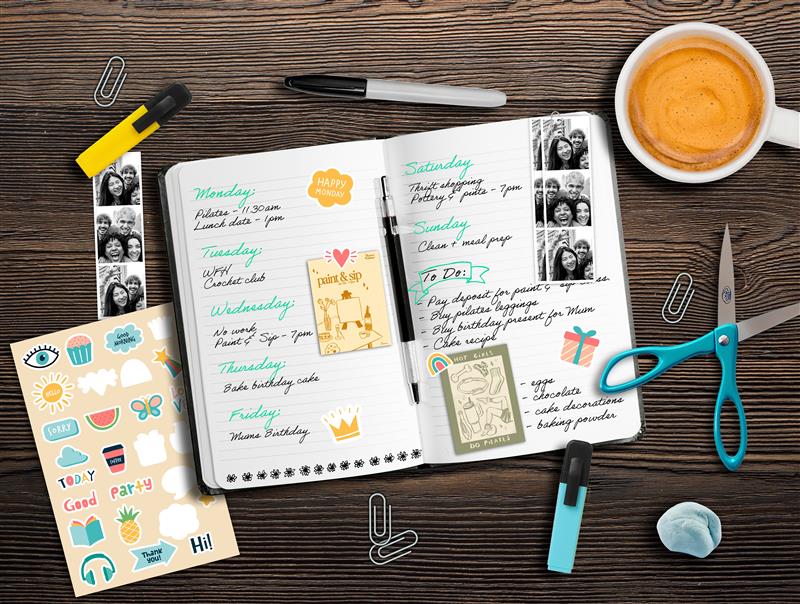
In the UK, the closure of physical stores for the likes of Paperchase, Staples, and Wilkos means that stockists for stationary are slim, leaving independent stores or supermarkets. Should retailers respond to this trend, making sure their selection of stationary not only wider but more creative, they may become a stop off in selfcare supplies.
Music without streaming
Gen Z’s revival of old iPods and wired headphones reflects a shared desire for tech that creates boundaries rather than erasing them. The surge in demand for classic iPods, with searches for older models up around 25% and Nanos up 20% (source), shows young users gravitating toward single‑purpose, offline devices that let them listen without notifications or algorithmic pull.
Wired headphones fit the same instinct: their physical cable adds a small but meaningful friction that encourages focused, interruption‑free listening. Some retailers are seeing sharp, highly specific spikes too, with certain outlets reporting a 193% jump in sales of the wired Beats Solo 4 by late 2025 (source), underscoring just how quickly analogue leaning listening habits are translating into real world demand.