
This website will offer limited functionality in this browser. We only support the recent versions of major browsers like Chrome, Firefox, Safari, and Edge.

Hero Image

July 3rd, 2026

What happens when every brand reaches for nostalgia?

Hero Image
Joshua Moses,
Strategist, Golley Slater

As a football fan, it’s been impossible to miss.

Beckham. Zidane. Ronaldinho. Henry.

Legends of the late 90s and early 2000s suddenly back at the centre of World Cup 2026.

Adidas brought together (albeit de-aged by AI) Beckham, Zidane and Del Piero in Backyard Legends. McDonald’s reunited football icons. Retro kits are everywhere. Total 90 is back. Predator is back.

The past is everywhere.

Then again, perhaps that’s nothing new.

The World Cup has always been nostalgic.

Every tournament arrives carrying the weight of the ones before it.

Pele.

Maradona.

Gazza’s tears.

Ronaldo’s dodgy trim.

Zidane’s headbutt.

Even this year feels oddly nostalgic for me, as Messi and Ronaldo play in their last World Cup. (Although at this rate, maybe not.)

Part of the magic is that every generation experiences the tournament differently while sharing the same mythology.

Maybe that’s why so many brands instinctively looked backwards this summer.

And to be fair, there are good reasons they do.

Back in 2023, Kantar found fewer than 3% of ads contained nostalgic elements despite nostalgia being one of advertising’s most effective emotional devices, boosting enjoyability and emotional connection. It looked like an opportunity hiding in plain sight.

Behavioural science gives us a clue why.

Richard Shotton describes a “nostalgia bias”. We don’t just remember the past fondly. We tend to overvalue it.

Familiar things feel safer.

More trustworthy.

More comfortable.

What feels like a longing for the past may simply be a preference for what we already know.

And in a world that can feel increasingly uncertain, that’s a pretty powerful thing.

For marketers, that’s where things get interesting. Nostalgia works. But if every brand is reaching for the same memories, what happens to distinctiveness?
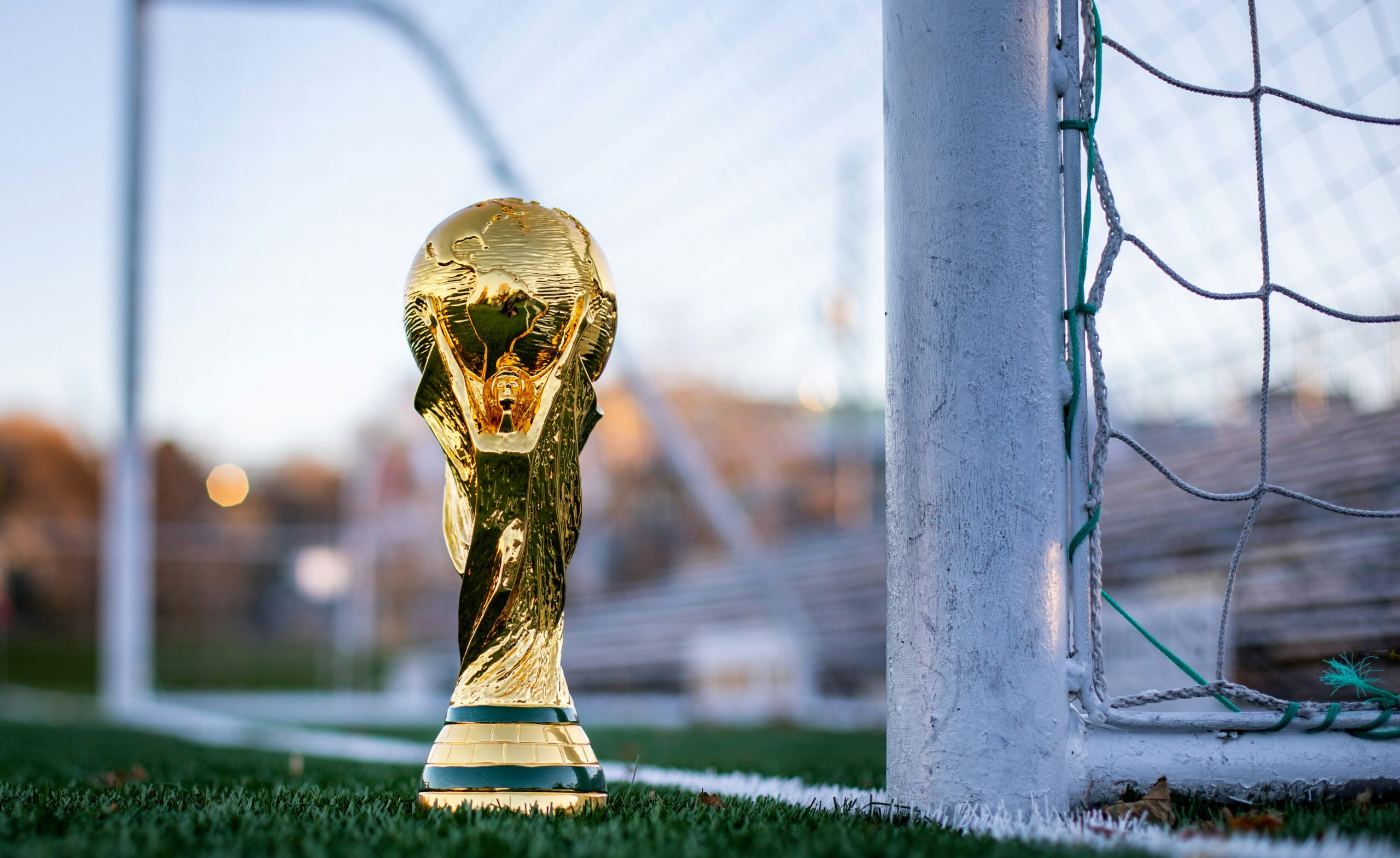

Nostalgia through the World Cup

The problem is everybody seems to have found the same playbook.

Football is one example.

But it’s hardly the only one.

Reboots and sequels continue to dominate cinema. (Yes, I went to see Devil Wears Prada 2.)

In fact, nine of the ten highest-grossing films of 2025 were sequels, remakes or franchise instalments.

There was the Oasis comeback (and Wonderwall has become the anthem of the summer for England fans).

Y2K fashion refuses to die as Gen Z resurrect 90’s culture.

The past feels unusually present.

And that’s what interests me.

Not nostalgia itself.

What happens when everybody reaches for it at once.

Because when you zoom out, the pattern feels familiar.

The same eras.

The same icons.

The same references.

The same emotional cues.

The same answers.

The sea of sameness

A thought from Craft Media’s Anti Ultra-Processed Planning report has stuck with me.

The report argues that AI has a tendency to pull things towards the middle.

Not because it’s bad.

Because it’s trained on what already exists.

The most statistically probable answer is rarely the most surprising one.

I wonder if something similar is happening more broadly in marketing.

Not because AI is creating all the work.

But because all of us are gravitating towards the same familiar territory.

The proven thing.

The safe thing.

The thing we already know people like.

And nostalgia is perhaps the ultimate example of that.

You can see it beyond nostalgia too.

Take football boots.

This World Cup feels awash with pink.

Because bright pink stands out brilliantly against a green pitch.

The problem is everyone seems to have reached the same conclusion.

Nike.

Puma.

Adidas.

New Balance.

Sketchers. (Yes, they make football boots).

Individually they’re all trying to stand out.

Collectively they’ve ended up blending in!

Familiarity vs distinctiveness

The challenge is that effectiveness and distinctiveness aren’t always the same thing.

Nostalgia clearly works.

But when every brand reaches for the same era, the same legends and the same emotional register, what began as a distinctive creative choice can quickly become the default.

Take Beckham for example.

Not necessarily in nostalgic terms, as he is still very much a current global name.

But he is everywhere.

Watch a half-time ad break and it’s basically a game of Where’s Becks?

Stella.

Walkers.

Pepsi.

McDonald’s.

Fair play to his agent. He may be the most in-demand man in advertising right now.

But it does raise a question.

At what point does using the same cultural icon stop helping brands stand out?

The issue isn’t that brands are looking backwards.

The issue is that so many seem to be looking backwards in exactly the same direction.

The lesson isn’t that brands should avoid nostalgia. It’s that effectiveness often comes from balancing familiarity with distinctiveness. The challenge for marketers is knowing when a cultural trend is creating an advantage and when it’s simply creating more of the same.

So what?

Brands are often better mirrors than they are leaders.

They reflect culture before they shape it.

And right now, the reflection is fascinating.

Maybe we’re seeing people search for comfort in uncertain times.

The world in 2026 can feel quite heavy, to put it lightly.

Economic pressure.

Political division.

War.

A news cycle with a new crisis every week.

Psychologists have long argued that people often look backwards when the present feels uncertain and the future feels harder to picture.

Nostalgia can provide comfort, meaning and stability when we need it most.

Maybe we’re seeing a culture trying to make sense of the present through a more familiar past.

Or maybe I’m overthinking a few football adverts.

Either way, when an entire industry starts reaching for the same memories, the same icons and the same emotional shortcuts, it feels worth paying attention.

Because nostalgia clearly works.

The data says so.

The response from audiences says so.

And the sheer amount of nostalgia-driven work says so.

But if every brand is reaching for the same emotional device, another question emerges:

At what point does nostalgia stop being distinctive?

And if everyone is looking backwards in the same direction, who’s left to look forwards?

20 minute read

Google I/O 2026: The Dawn of AI‑Native Search and what it means for Marketers

Read More

13 minute read

Beyond the Buzz: The Hidden Vulnerabilities of AI-Powered Agencies

Read More