Trust in influencers has depleted in recent years, mine included, as consumers have gone from wholeheartedly believing influencer content to becoming far more attuned to wider communities through platforms like TikTok. They now consume content from micro influencers who build communities through authenticity and candid takes.
Shoppers know that committing to brand deals, regardless of genuine advocacy, is all too easy with the huge budgets attached to influencer marketing. And all that’s bred is distrust from the average consumer scrolling in search of genuine recommendations.
Brands have responded by rethinking their influencer strategies, investing in micro influencers and giving creators more freedom through confidence branding.
But at the same time, the role of the influencer has completely shifted for other brands.
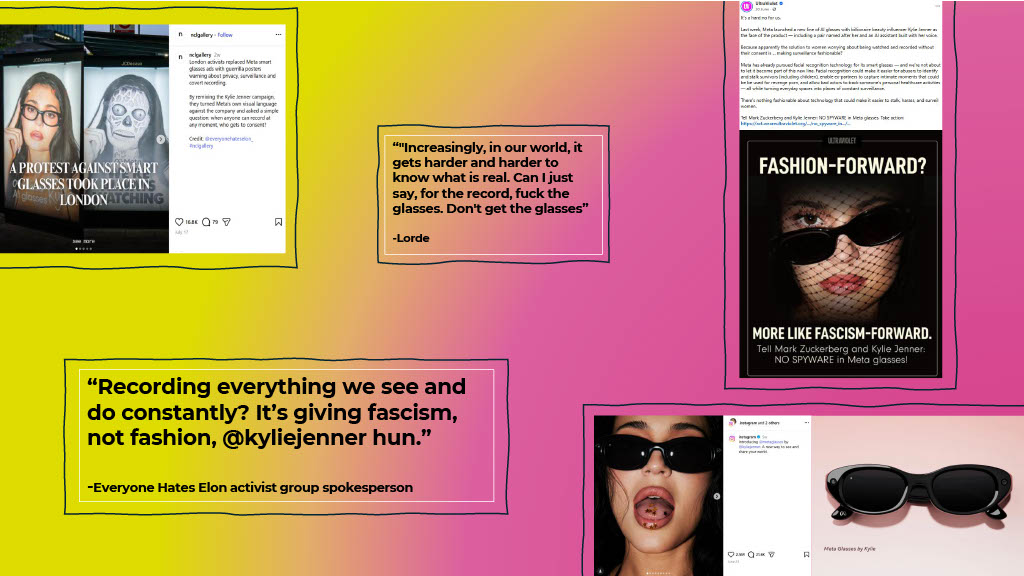
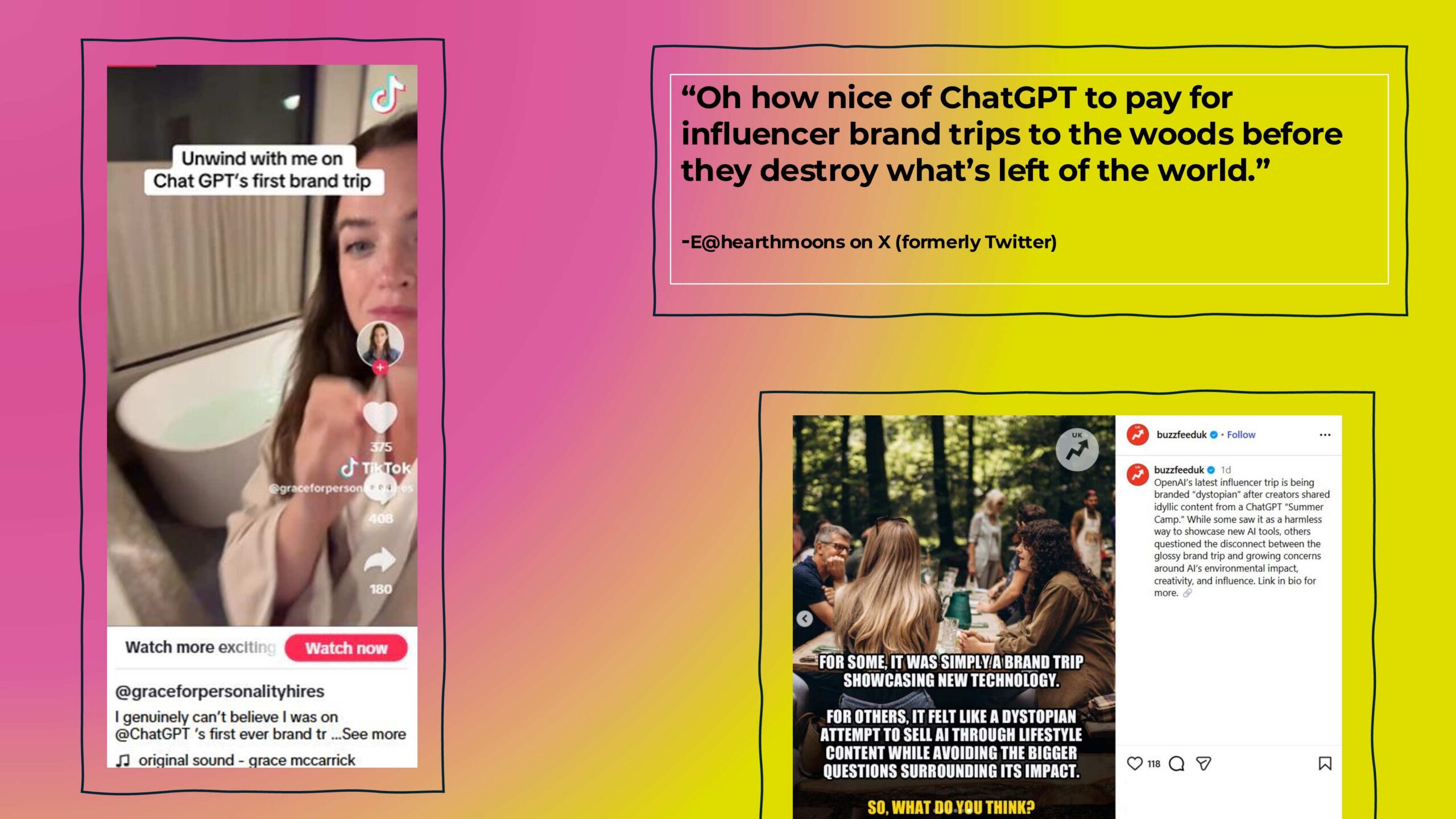
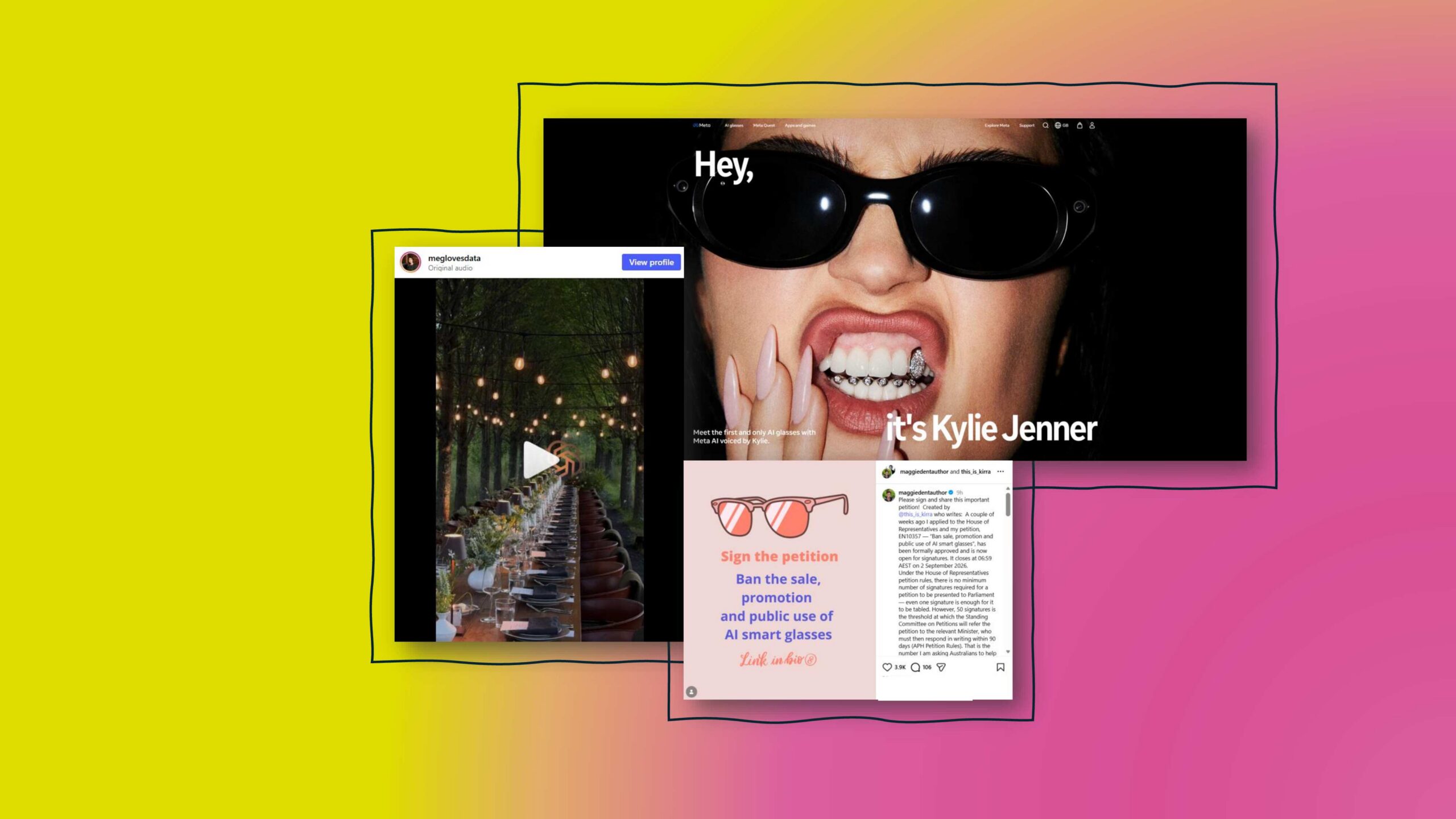
Influencers are no longer just being asked to sell skincare or the latest fashion trend. Increasingly they’re selling the systems behind the products, from AI assistants and loyalty apps to smart glasses and software that promises to make everyday life easier. As someone who isn’t too hesitant to press the ‘Accept Cookies’ button or thorough in reading T&Cs before accepting them, this concept is still a step too far, even for me. The ask from big influencers is no longer “buy this”… it’s “trust this”.
And that’s where the Dystopian Influencer has risen.
Their role isn’t simply to promote a product. It’s to convince consumers to overlook the AI powering it, the data it collects and the boundaries it blurs. And what has that led to? Consumers who are becoming fatigued by AI creeping into every corner of their lives and brands covertly trying to reset moral compasses.