August 25th, 2026
The picnic blanket is the new soft play as millennial parents embrace a 90s summer
Gemma Williams,
As a child growing up in the 90s, I remember the phrase ‘I’m bored’ being met with the response that if we didn’t find something to do, we would be given some chores to keep us busy. Unwilling to be dragged into cleaning we became very skilled at making our own fun. There was never any real plan other than being out of the house from sunrise until sunset, popping back in occasionally for a sandwich and an ice pop.
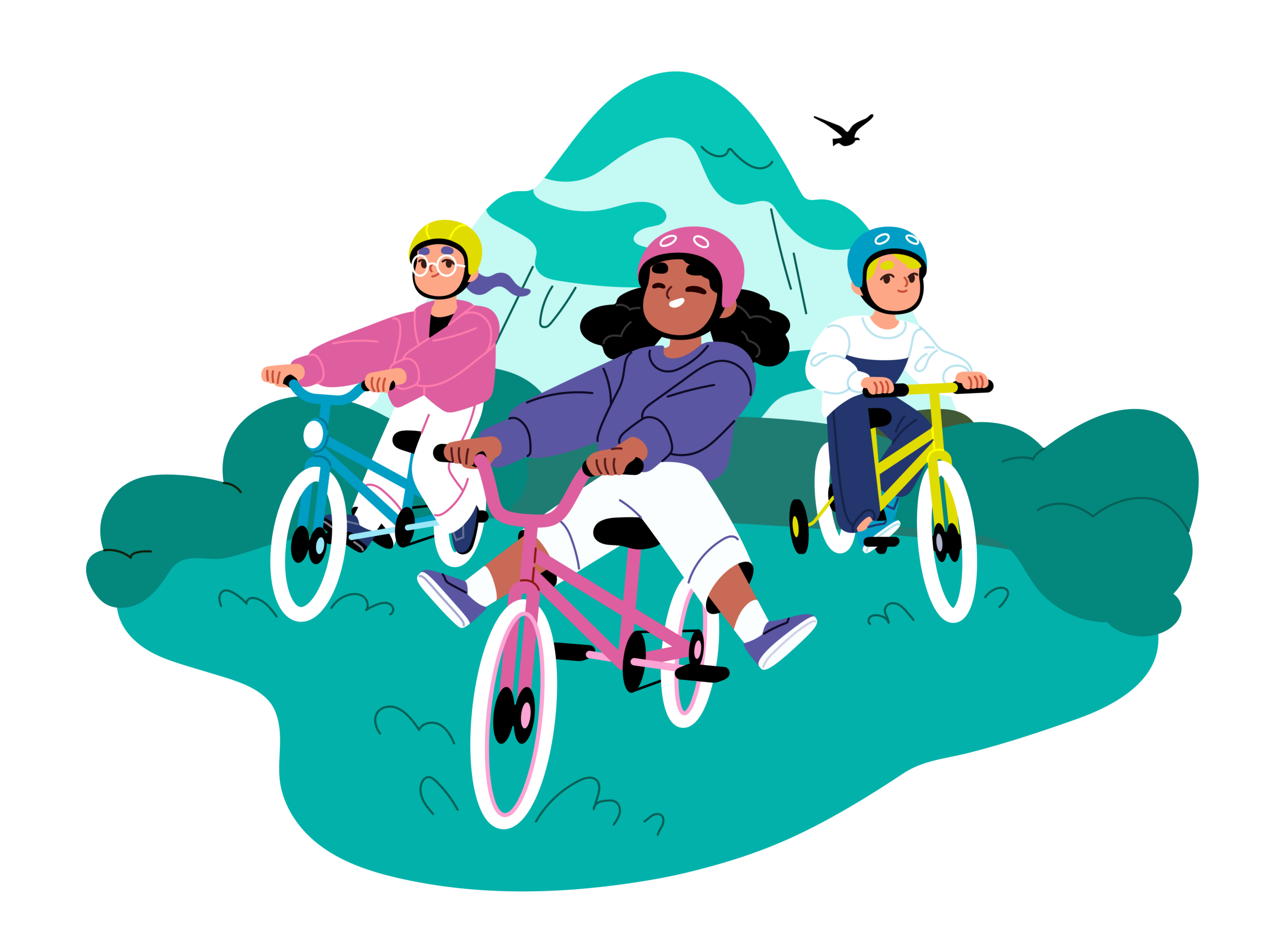
Our summer holidays were filled with bike rides, den building, water fights and playing Kerby until the neighbours complained. No social media, no timetable of activities, just hanging around with the kids who lived on your street and a summer break that seemed to last way longer than just 6 weeks. It wasn’t sophisticated, it wasn’t inspired by a TikTok trend it was just spontaneous fun.
It seems I’m not the only one who is looking back at my own childhood summer with fond memories, with many millennial and Gen Z parents embracing those memories as the 90s Summer trend sweeps social media this summer.
90s Summer, also sometimes known as ‘Feral Summer’, is about taking it back to basics, about not needing to fill children’s days with a schedule of activity, letting them be ‘bored’, unleash their creativity and seeing where they take it. Whether it be pavement chalking, running the sprinkler in the garden (if there’s not a hosepipe ban!), or simply taking them out into the outdoors and letting them explore. It’s based on the idea that children don’t need to be parented to within an inch of their lives or shoved in front of a screen. It’s meant to be creative and freeing, allowing them to explore and entertain themselves, ‘I’m bored’ shouldn’t be a cry for parents to immediately intervene, it should be a challenge to defeat the boredom.
So what does it actually look like in practice?
At its core, 90s Summer is about resisting the urge to fill every hour. Boredom isn’t a problem to solve, it’s actually the point. Kids left to their own devices (not the electronic kind) will invent their own entertainment if you give them long enough and resist the urge to intervene. The 90s Summer operates on the principle that unstructured, unscheduled time is where creativity actually lives, and that screen time isn’t an antidote to boredom, it’s just a way of avoiding it.
There’s also a quiet push toward a little more independence nothing like the full feral experience of our own childhoods where parents genuinely didn’t see us for hours on end, but a slightly more hands-off approach. Letting them wander a bit further ahead on a walk, older kids going around the block on their bikes, not hovering at the edge of the playground. The kind of low-stakes autonomy that teaches kids to problem-solve, negotiate and manage minor scrapes without an adult immediately swooping in.
And when it comes to what they’re actually doing? Nature does most of the heavy lifting. Den building in the woods, paddling in a stream, bug hunting in the garden, rolling down a hill just to see what happens. The children lead, the parents step back, and the only booking confirmation required is a weather app. Simple, low-cost and almost entirely chaotic, which is, of course, entirely the point.
What does this mean for brands?
If the 90s Summer trend tells us anything, it’s that parents are actively choosing experiences that are simpler, more spontaneous and crucially, less expensive. That’s not bad news for brands. In fact, for the right categories, it’s a significant opportunity.

Food and drink sits at the heart of it. The picnic is having a moment, not the artisan sourdough and charcuterie board variety, but the unpretentious, chucked-in-a-bag, eaten-on-a-blanket version. Snack brands, soft drinks, ice lollies are the products that live inside this trend. There’s also a nostalgia economy at play here that’s worth paying attention to. The parents driving the 90s Summer trend are the same people who grew up on Ice Pops, Freddo bars, Capri-Sun and penny sweets from the corner shop. The products that tap into that specific childhood memory aren’t just snacks they’re part of the experience parents are trying to recreate.
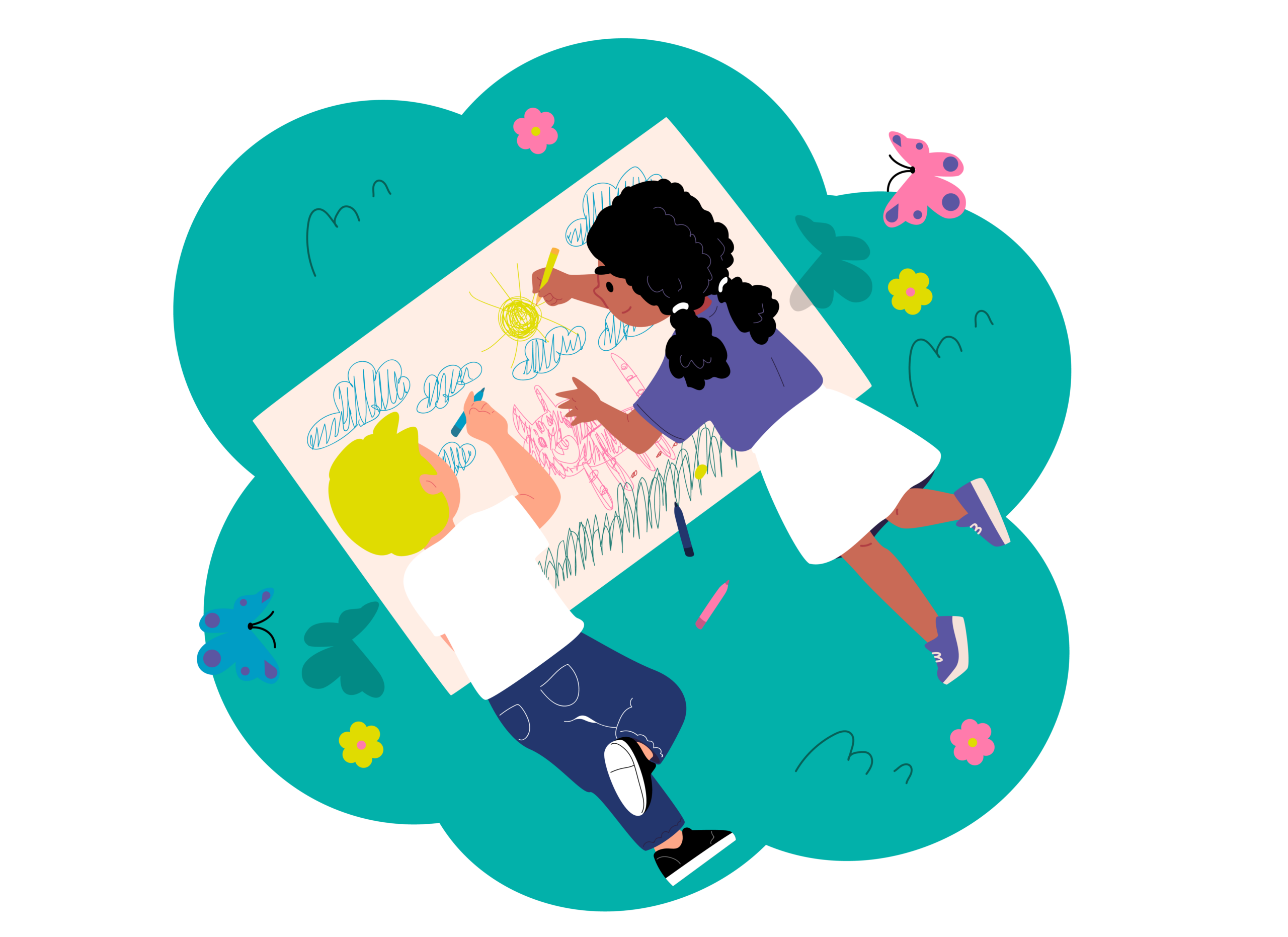
Stationery and craft is another natural fit, colouring pens, chalk, scrap paper, glue sticks. The kind of low-cost kit that transforms a rainy afternoon into an activity. These categories benefit from the trend’s rejection of expensive, organised entertainment. If parents aren’t booking soft play or paying entry fees, that budget doesn’t disappear it shows up in smaller, more frequent purchases.